



Our editors curate highly rated brands that are first assessed by our rigorous ratings system. Buying through our links may earn us a commission—supporting the work we do. Learn more.
As Lululemon launches its collaboration with fashion brand Ganni, we look at the activewear business’ sustainability. Lululemon gets our middling rating “It’s a Start” because despite being a massive global brand, our analysts found that it isn’t pulling its weight.
This article is based on the Lululemon rating published in January 2026 and may not reflect claims the brand has made since then. Our ratings analysts are constantly rerating the thousands of brands you can check on our directory.
Lululemon’s sustainability progress has stalled
Lululemon is a high-end activewear brand that initially focused on yoga-inspired athletic apparel but has branched out into kit for running, tennis, golf, and more. Lululemon claims that: “We believe we have a role to play in advancing the wellbeing of people and our planet,” but in its latest rating review, our analysts found that the brand hasn’t improved on its sustainability performance since the last time we checked one year earlier. That sounds like progress is stalling, not advancing.
The same can be said for Lululemon’s business, with its latest revenue results and forecasts not looking great, according to The Industry. The brand is currently restructuring its leadership and has made news in recent years for the ongoing friction between its board and founder Chip Wilson, who is no longer part of the company but remains a shareholder. Wilson has also been responsible for some of Lululemon’s loudest controversies over the years, including making racist and fatphobic comments.
So what are the key issues that Lululemon needs to improve on in 2026? Here, we delve into the details of the brand’s middling “It’s a Start” rating, which is based on an assessment of public evidence about its performance on a range of important sustainability issues across people, the planet, and animals. Read on as we ask: how ethical is Lululemon?
Environmental impact
Lululemon scores “Not Good Enough” for the environment: something that hasn’t changed in years.
What is the brand missing here? Lululemon only uses some lower-impact materials, including recycled polyester, but there are better alternatives to synthetics (even recycled ones), and we’d expect such a powerful activewear brand to be investing in, at the very least, researching and developing them.
While Lululemon has set a science-based target to make a 60% reduction in greenhouse gas emissions generated from its owned operations and supply chain by 2030, but when our analysts last checked they could not find evidence to state whether the brand is on track to meet its target.
Lululemon’s Carbon Disclosure Project (CDP) Water score is ‘F’, meaning that it either failed to disclose its data when requested to, or didn’t provide sufficient information for CDP to evaluate it. The CDP Water reporting framework is about measuring and managing the risks, use, and impacts of a company’s water use, and taking responsibility for this area is vital for those in the fashion and textile industry.
Another important issue is hazardous chemical elimination, especially for those in the activewear space since it involves lots of chemical dyes and fabric treatments. And while Lululemon has eliminated some hazardous chemicals, it has no time-bound target to eliminate them on a broad level, which isn’t good enough.
And it’s not just the sustainable fashion community that is concerned by the chemicals in Lululemon’s clothing: in April 2026, the US’ Texas Attorney General launched a PFAS investigation into the brand, which will asses Lululemon’s restricted substances list, testing protocol, and supply chain safety practices.
Labour conditions
Regarding workers, Lululemon falls short again, with a “Not Good Enough” score.
The good thing? All of Lululemon’s final production stage is certified by the Fair Labor Association (FLA).
The not-so good? We found no evidence that Lululemon is paying workers in its supply chain a living wage. For a brand that has long capitalised on sentiments like wellbeing and community building, there is no excuse for not applying this same approach to the people making its clothes. It does at least have some initiatives to empower vulnerable women and girls in its supply chain, but on a wider scale our analysts also couldn’t find data to show the brand meaningfully supporting diversity and inclusion in its supply chain.
Lululemon has also been linked with cotton sourcing from the Xinjiang region in China, where there is a risk of using Uyghur forced labour. The brand has taken insufficient steps to remediate.
Animal welfare
Lululemon’s score for animals is “It’s a Start”.
Animal-derived materials are included in a small part of Lululemon’s product offering and it doesn’t appear to use leather, fur, angora, exotic animal skin, shearling, or mohair. The animal-derived materials that it does use (wool, cashmere, alpaca, and down) mostly consist of recycled or certified alternatives to conventional options, which is a positive step. The brand still doesn’t have a formal animal welfare policy aligned with the Five Domains Model, though.
Overall rating: ‘It’s a Start’
So, how ethical is Lululemon? Based on information from our research in January 2026, Lululemon has barely scraped an “It’s a Start” rating, thanks to its middle-of-the-road approach to animal welfare.
But Lululemon falls way short where the environment and people are concerned. We need to see greater transparency on the brand’s actions in its supply chains, and we want to see it reporting on the progress it is making towards its goals.
Perhaps Lululemon’s upcoming leadership changes will prompt a shift in attitudes and a greater focus on taking and disclosing meaningful actions on the most pressing sustainability issues today.
Note that Good On You ratings consider hundreds of issues, and it is not possible to list every relevant issue in a summary of the brand’s performance. For more information, see our How We Rate page and our FAQs.
Good swaps
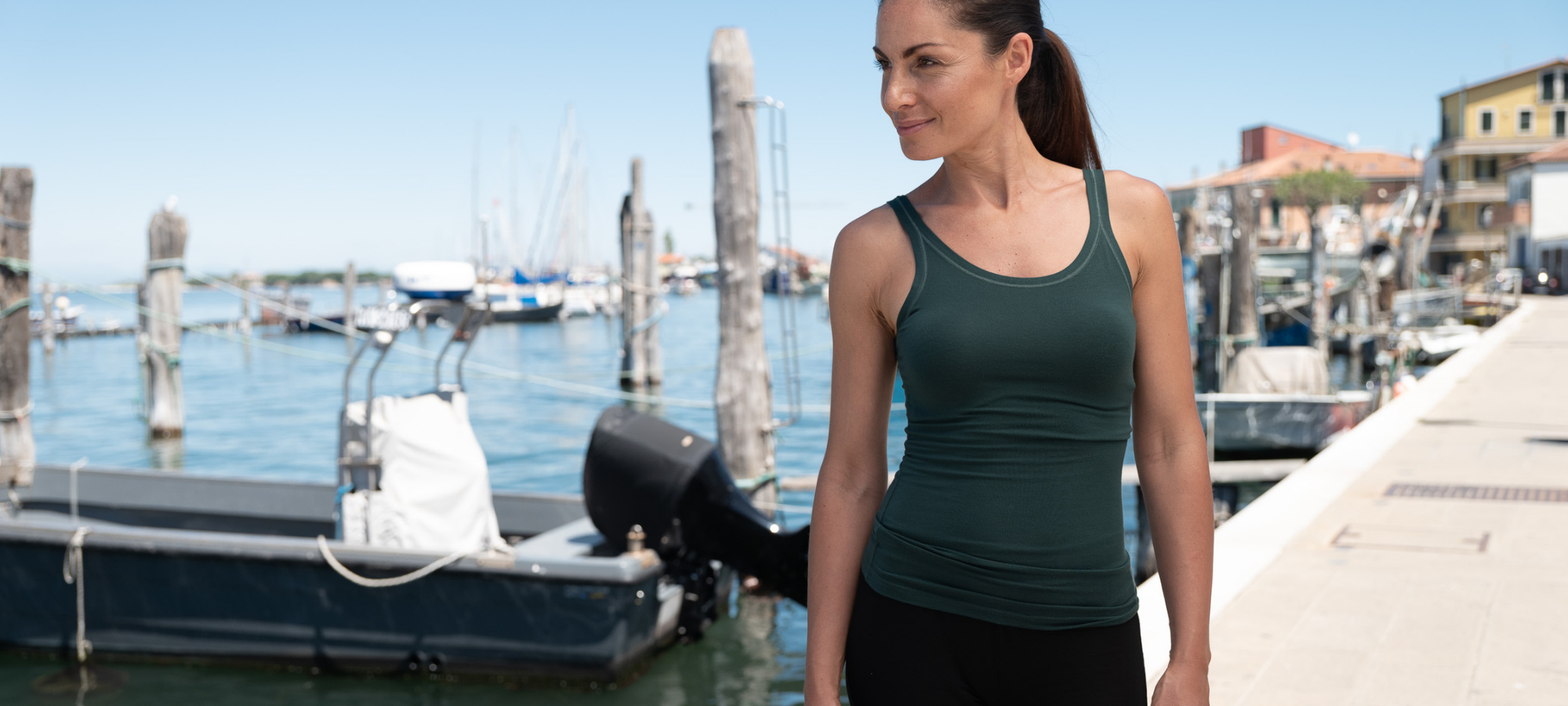
If you’re looking for more sustainable activewear and Lululemon’s efforts just aren’t cutting it for you, then check out some of our top-rated alternatives below. They’ve all been rated “Good” and “Great” against the same methodology we scored Lululemon against.